

The following page lists all of the equipment required to be part of the GOES project to measure plankton and microplastics at sea, around our coasts, in rivers, in tap water and in deep oceanic water. The total cost, including the free GOES plankton filter, is approximately 130 euros; this is much the same cost as a more conventional student plankton net
There is no charge for the equipment for yachts that are actively collecting water samples and providing GOES with the data. However, you are free to make a donation to help us deliver as many filters as possible, especially to schools and for rural community projects
Main components
| GOES project filter | The cost of the filter | $80 |
| Microscope | Link to Amazon store. use this micrscope, a similar or better one if available. It should be fitted with a polarising filter | $90 |
| Filter papers | Link to Amazon store. Camlab 1173270, Grade 111 [4] qualitative filter paper, fast filtering, 40mm to 50mm diameter. The paper is the same as Whatman grade 4 | $10 for 100 filter papers |
| Tweezers | Link to Amazon store | $10 |
| Petri plate | not essential but usefulLink to Amazon store 90mm glass platesLink to Amazon store 90mm plastic plates | $10 for 20 plates (reusable many times) |
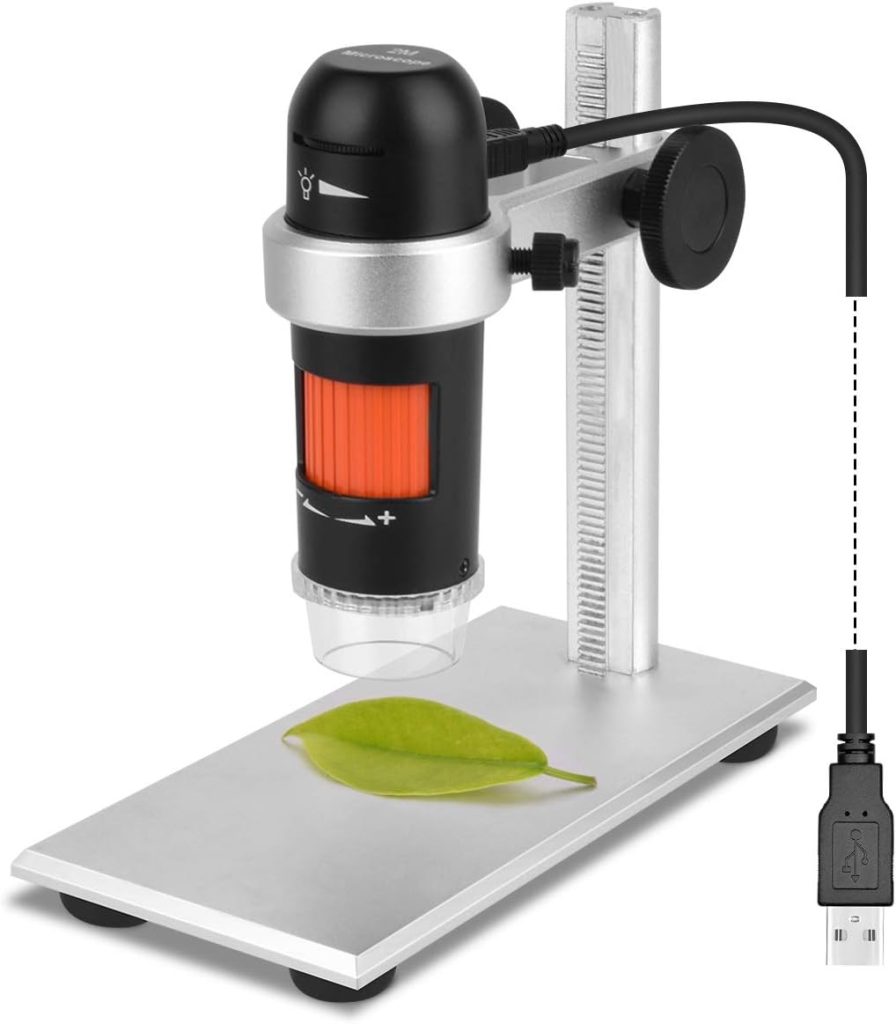
MICROSCOPE
A simple 5mp USB type microscope or better is fine for this application, make sure it has a polarising filter
In addition to doing the GOES citizen science work, you will have great fun using the equipment to look at the plankton and identify all the different groups.
You never know; you may actually find a new species, because very little is actually known about deep ocean plankton

The plankton and micro-plastic filter
The filter is made by GOES drawings are also provided to allow you to make your own.
The GOES project plankton filter
The GOES plankton filter
The filter is a 50mm diameter tube with a 50mm plastic threaded union with O ring seal.
There are 2 x plastic plates with 5 x 5mm holes. The plates are made from clear acrylic plastic. The ones in the photo are in PVC plastic so that can be seen more easily on the photo.
The 50mm diameter white filter paper is placed between the two plastic plates, and the assembly is then placed on the bottom section of the GOES filter.
The pipe is solvent glued into the union.
The filter is really easy to make if you have access to professional pipe fittings, but you may also be able to make one with fittings from a good plumbing store.

50mm diameter 0.45 um filter papers

use a 90mm petri plate
FILTER PAPER
Camlab 1173270, Grade 111 [4] qualitative filter paper, fast filtering, 50mm diameter. This is the same as WhatMan grade 4 about 20-30um filter paper. We have found this one to be the best.
TWEEZERS
Any good quality, stainless steel tweezers will be okay
PETRI PLATE
Use a 90-mm-diameter Petri plate; it also allows you to cover the sample and keep it. Please note that if you wish to keep the sample, it will need to be dried. Wet plankton samples rapidly deteriorate and have a really bad smell. The petri plate is made from glass and is reusable. The plastic ones can also be reused many times and might be safer on a boat.


